Skip Happens: The Real Math of a Missed Dose (and Why “Just Take Two” Rarely Works)
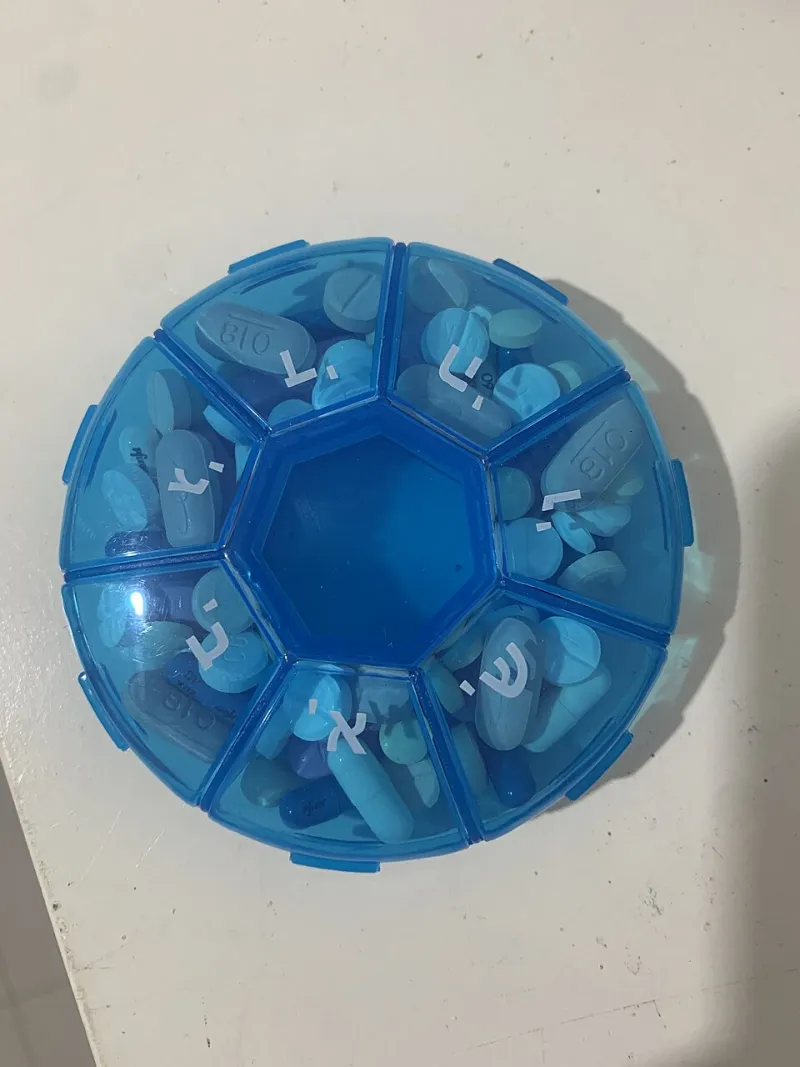
Photo: יוחי טייס, CC BY-SA 4.0, via Wikimedia Commons
Miss a dose and your brain immediately pitches a fix: just take two tomorrow. It feels tidy, like clearing out an inbox. Unfortunately, vitamins and minerals don't run on inbox logic. Your body isn't tracking a running balance it can settle up later — it's absorbing what it can, when it can, and quietly discarding the rest.
That's the whole problem with doubling up. It treats a supplement like a bill you forgot to pay, when it's closer to a meal you skipped. You don't eat two dinners the next night to even things out. You just eat dinner.
The 24-hour illusion
Most labels are written around a daily rhythm because that's a convenient way to package a dose, not because your body resets at midnight. Nutrient levels in your blood don't nosedive the moment you miss a Tuesday capsule, and they don't spike proportionally when you take an extra one on Wednesday.
What actually matters is the pattern across weeks and months. A single missed day is usually a rounding error. A missed day every week for six months is a different story — that's not a scheduling hiccup, that's a sign the routine doesn't fit your life.
Which is why the useful question isn't “how do I make up for yesterday?” It's “what does a week of this actually look like?”
Forgiving nutrients vs. the ones that keep score
Not all pills handle a skip the same way, and the difference is mostly about storage and absorption ceilings.
Generally forgiving: water-soluble vitamins like C and most of the B family get used or excreted fairly quickly, so one missed day rarely registers. Fat-soluble vitamins — A, D, E, K — are stored in body tissue, which means a skipped capsule is a blip. It also means the opposite: an extra capsule isn't “free,” it's added to a stockpile your body is already holding.
Less forgiving: iron is the classic example. It's poorly absorbed, it's rough on the stomach, and doubling a dose is a reliable way to spend an afternoon regretting your choices. Zinc is similar — an extra pill on an empty stomach can turn into nausea fast, and consistently high intake nudges copper out of balance over time. Calcium has an absorption ceiling, so two 600 mg doses in one sitting don't equal 1,200 mg absorbed; they equal a lot of unused mineral and possibly a stomachache.
Timing-sensitive, not dose-sensitive: some things (thyroid medication, certain antibiotics, a few prescription drugs) care deeply about spacing and very little about your good intentions. Those aren't improvise-at-home situations. Ask the pharmacist — it's free and takes four minutes.
Read the directions panel, not the marketing
The Supplement Facts panel tells you what's inside. It does not tell you what to do when you forget. That guidance lives in the Directions and Warnings sections, usually in print small enough to require a kitchen flashlight.
Look for the standard fork in the road: take as soon as you remember, unless it's almost time for your next dose. That sentence is doing a lot of work. It's the label's way of saying the makeup dose is optional and the next dose is not negotiable.
What you won't find, on basically any bottle, is permission to take two at once. If a label says “do not exceed one capsule in 24 hours,” that's not a suggestion with an asterisk for people who had a busy Monday.
Four catch-up rules that survive real life
1. Use the halfway rule. If you're more than halfway to your next scheduled dose, skip the missed one entirely. Less than halfway, take it when you remember. This works for the vast majority of everyday multivitamins and single-letter pills.
2. Never stack iron, zinc, or a fat-soluble vitamin. Capsules don't merge into one tidy dose. They compete, they irritate, or they accumulate. Take the L and move on.
3. Don't average out a multi-day gap. Missed four days? Restart at your normal dose. Trying to “catch up” across a week is how people end up with loose stools and a sudden distrust of supplements.
4. Reset the routine, not the dose. If you're missing doses regularly, the pill isn't the problem — the placement is. Move the bottle next to the coffee maker, set a phone alarm, or pair it with something you already do without thinking. A supplement that lives in a drawer behind the towels is a supplement you will forget.
Why the doubling instinct is so sticky
Part of it is that supplements are sold in a daily-dose frame, which makes them feel cumulative in a way they often aren't. Part of it is that we're trained by subscription culture — paused shipments, catch-up payments, skipped episodes. The brain reaches for that model because it's familiar.
But there's a practical cost too. Doubling up on a mineral you don't need can produce a genuinely unpleasant afternoon, and repeated overages of certain nutrients are worth avoiding altogether. The upside of the extra capsule is close to zero. The downside is real, if modest.
The takeaway
A missed dose is not a debt. It's a data point about your routine. Take the makeup dose only if you're early in the gap, skip it if you're not, and never turn one lapse into two pills. Then spend thirty seconds figuring out why you forgot — because the fix for a missed dose is almost never more supplement. It's a better spot on the counter.
This is general information, not medical advice. If you take prescription medication or have a diagnosed condition, check with your doctor or pharmacist before changing how you take anything.