The Add to Cart Trap: How to Vet an Online Supplement Seller in 2026

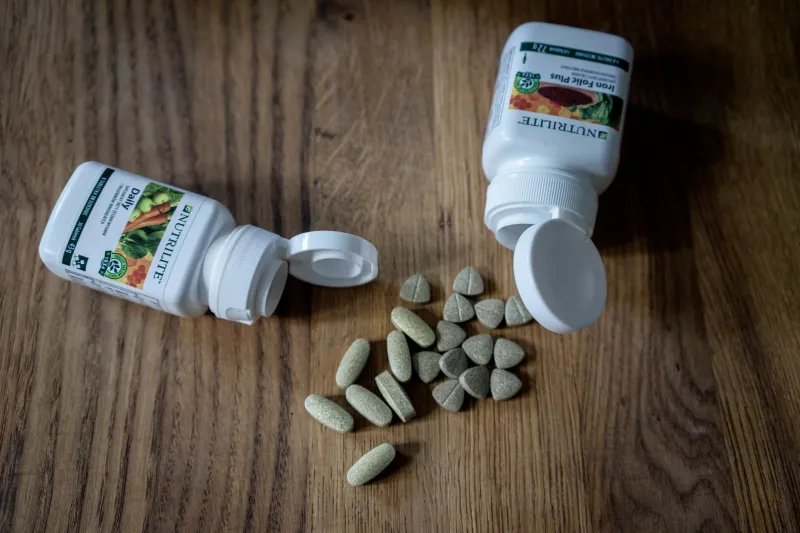
Photo: Haggis MacHaggis, CC0, via Wikimedia Commons
Online supplement shopping has a way of making everything feel simple. You search, you compare prices, you read a few reviews, and a bottle shows up two days later. The listing looks clean. The label photo is sharp. The price is a few bucks lower than the store down the street. What could go wrong?
Plenty, sometimes. The gap between “a legitimate product exists” and “this seller sent me that exact product, stored properly” is where online supplement buying gets messy. You are not just buying a vitamin. You are buying a chain of custody: manufacturer, distributor, marketplace seller, warehouse, shipping box, delivery truck. When that chain is unclear, the label on the bottle can only tell you so much.
This is not a scare piece. Most online supplement purchases are fine. But a little skepticism at checkout is cheaper than a bottle you cannot trust.
The Listing Is a Storefront, Not a Receipt
A product page can tell you what the supplement is supposed to be. It cannot, by itself, tell you who is selling it, where it has been, or whether the bottle in the photo is the bottle you will receive. That is why the first check is not the supplement facts panel. It is the seller name.
On large marketplaces, look for the “sold by” and “shipped by” lines. They are not always the same. A listing fulfilled by the marketplace may still come from a third-party seller’s inventory. That is not automatically bad, but it means the seller—not the brand—may be the one responsible for storage and stock rotation.
If the seller name is a random string of letters, has no storefront history, or lists hundreds of unrelated products from air fryers to fish oil, slow down. A legitimate seller can be small. A legitimate seller can also specialize in one weird niche. But a seller with no identity and no clear return policy is not a bargain. It is a question mark.
Hijacked Listings and the Bait-and-Switch Problem
One of the stranger online shopping problems is the hijacked listing. A seller gets onto an existing product page—sometimes a well-known brand’s page—and offers the item at a suspiciously low price. The page looks familiar because it is familiar. The seller behind it may not be authorized, may not have the same product, or may be shipping something close but not identical.
You do not need to become an internet detective to reduce the risk. Check whether the brand itself lists authorized retailers on its website. Look at the seller’s recent feedback, not just the product’s star rating. Product reviews can be old and inherited from a different seller. Seller reviews are more likely to reflect the current operation.
And pay attention to label photos. If the listing shows an older label design, a different supplement facts panel, or a bottle size that does not match the brand’s current website, that is a clue. It might be old stock. It might be a different product. Either way, it is worth a second look.
Batch Codes and Expiration Dates Are Your Paper Trail
Once the bottle arrives, the label stops being marketing and starts being evidence. Find the lot number, batch code, and expiration date. They are often printed on the bottom of the bottle, along the side of the label, or on the neck. If they are missing or rubbed off, that is not a cosmetic issue. It is a traceability issue.
A batch code is how a manufacturer can connect a bottle to a production run. You do not need to decode it yourself. You can contact the brand’s customer service and ask whether the code matches their records. Some brands make this easy. Some do not. But if the brand cannot or will not help, you have learned something useful.
Expiration dates matter too, especially for products with live cultures, softgels, or oils that can go rancid. A date that is only a few weeks away is not necessarily dangerous, but it is not what you thought you were buying. Check the date before you open the bottle. Returns get harder once the seal is broken.
Shipping Conditions Are Part of the Product
Supplements are not indestructible. Heat, humidity, and long stays in a hot delivery truck can degrade some ingredients faster than the expiration date suggests. This is not usually a dramatic safety crisis, but it is a quality issue. A gummy that melted into a single block or a softgel that smells off is telling you something.
Look at how the seller ships. Does the listing mention temperature-controlled shipping? Probably not. Most do not. But if you are buying a heat-sensitive product in a Phoenix summer or a humid Florida spring, a seller who ships from a local warehouse may be a better bet than one shipping across the country in a padded envelope.
Inspect the package when it arrives. If the bottle is warm, warped, leaking, or has a broken safety seal, document it before opening. A photo of the shipping box and the bottle can make a return much easier.
When Saving $4 Is a Bad Trade
There is nothing wrong with wanting a lower price. But the online supplement market has a way of hiding costs. A $4 savings can disappear quickly if you get a bottle with no batch code, a short expiration date, or a seller who ghosts you after the sale.
A better rule: compare the total package. Check the seller’s return policy. Check whether the brand recognizes the seller. Check the expiration date when it arrives. If any of those checks fail, the cheap bottle is not actually cheap.
The listing can look legitimate. The bottle still has to earn it. A few minutes of checking before checkout—and a quick label check when the box lands—is a small price for knowing what you actually bought.