The Bottle Code That Turns a Recall From a Headache Into a Checklist

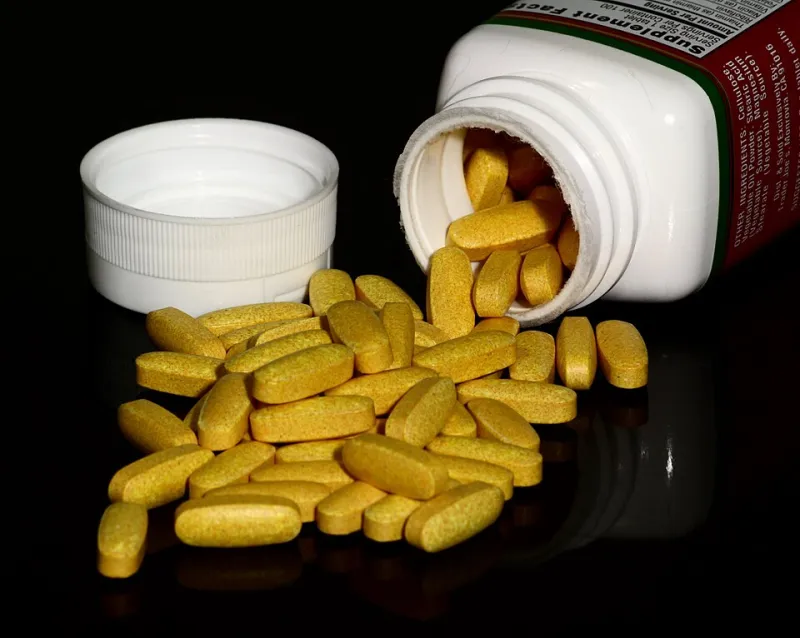
Photo: Garst, Warren, 1922-2016, photographer, CC BY-SA 4.0, via Wikimedia Commons
Most supplement bottles come with a string of characters that looks like a printer sneezed near the label. It might be stamped on the bottom, printed near the expiration date, or embossed along the neck. You probably ignore it. That is normal. It is also the exact thing you will wish you had photographed if a recall notice shows up in your inbox or on the evening news.
The Code Is a Batch ID, Not a Serial Number
A lot code, sometimes called a batch code, identifies a production run. It is not a unique fingerprint for your individual bottle. Think of it as a group tag: this bottle came from the same mix, line, and time window as a few thousand or a few hundred thousand others. That is why it matters. When something goes wrong in manufacturing, regulators and companies do not usually recall every bottle the brand has ever made. They target the lots that share the problem.
The expiration date answers a different question. It tells you how long the product is expected to stay within its labeled potency and quality under normal storage. The lot code tells you which batch you are holding. In a recall, the batch is the useful detail. Expiration dates are broad. Lot codes are specific.
Expiration Date Tells You When; Lot Tells You What
Here is a simple way to keep them straight. The expiration date is about time. The lot code is about identity. If a company says a certain lot may contain an undeclared allergen, a wrong ingredient, or a contamination risk, the expiration date alone will not tell you whether your bottle is in that group. The lot code will.
That does not mean expiration dates are useless. They still matter for everyday use and storage. But if you only copy one extra piece of information from the bottle, make it the lot code. In 2026, that little string is the difference between a vague worry and a clear answer.
Why Recalls Follow Lots, Not Bottles
Supplement recalls in the US are usually announced by the FDA or by the company itself, often with a press release and instructions for customers. The notice will typically name the product, the brand, the package size, and the affected lot or lots. Sometimes it includes a photo of the label. Sometimes it gives a date range. The common thread is traceability: the company needs to know which production run is involved so it can pull the right bottles from stores and tell customers what to do.
This is why a receipt alone is not enough. A receipt proves you bought something. A lot code proves which batch you bought. If you still have the bottle, you have the code. If you tossed the bottle, you may still have a photo. If you have neither, you are stuck guessing. A five-minute habit now prevents that.
The Five-Minute Bottle Audit
When you open a new supplement, do a quick photo pass before the bottle disappears into the cabinet. It takes less time than reading the supplement facts panel.
- Photograph the front label so the brand and product name are clear.
- Photograph the panel with the supplement facts and serving size.
- Photograph the lot code and expiration date together, even if they are in different spots.
- Save your order confirmation or a photo of the receipt.
- Put all of it in one phone album named something like Supplements 2026.
If the lot code is hard to read, write it on a piece of masking tape and stick that to the bottle. If you transfer pills to a weekly organizer, keep the original bottle until you finish the supply. The organizer is convenient. The bottle is the record.
How to Check a Recall Without Spiraling
Start with the FDA recall and enforcement pages, then check the manufacturer's website and the retailer where you bought the product. Search the brand name plus the word recall, and compare the lot code on your bottle to the one in the notice. Do not rely on a general memory of the product name. Recalls can be narrow.
If the notice includes a lot code that does not match yours, you probably do not need to act on that specific recall. If it matches, follow the instructions in the notice. That may mean stopping use, returning the product, or contacting the company for a refund or replacement. If you had an adverse reaction, the FDA's MedWatch program is one way to report it. None of this requires panic. It requires matching the code.
The practical point is not to become a recall detective. It is to make yourself easy to notify and easy to check. A photographed lot code turns a confusing announcement into a yes-or-no question.
What a Certificate of Analysis Can and Cannot Do
A certificate of analysis, or COA, is a document that summarizes testing for a specific batch. If you are curious about a bottle, you can ask the manufacturer or seller whether they have a lot-specific COA. Some brands post them online. Others provide them on request. The useful ones identify the lot, the tests performed, and the lab involved.
A COA is not a magic safety seal. It is a piece of paperwork, and its value depends on who produced it and what was tested. But when you already have the lot code, asking for a matching COA is far more useful than asking for a generic product COA that may describe a different run. The lot code is the link between the paper and the pills in your hand.
If Your Lot Is Named
Do not finish the bottle just because it was expensive. Follow the recall instructions. Keep the bottle and any packaging until you know what the company wants. If you need a refund, the lot code and receipt are your proof. If you need to talk to a healthcare professional about symptoms, do that too. A recall notice is not a diagnosis, and it is not a reason to ignore how you feel.
The Habit That Pays Off
The lot code is not decoration, but it is also not something to memorize. It is a record. Treat it like the serial number on a laptop or the VIN on a car: boring until you need it. Photograph it, keep it with your purchase info, and check it when a recall notice appears. That is the whole habit. In 2026, a few seconds of documentation can save you a cabinet full of guesswork.