The Five-Star Bottle Doesn't Know You: A 2026 Field Guide to Supplement Reviews

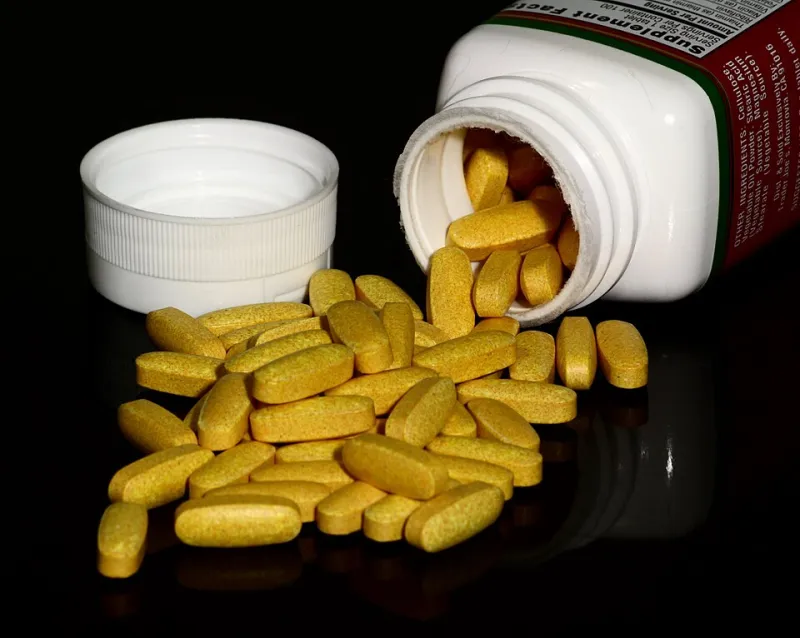
Photo: Mam'Gobozi Design Factory (MDF), CC BY-SA 4.0, via Wikimedia Commons
Somewhere between 300 and 4,000 strangers left a five-star review for the bottle you're looking at. That number feels like evidence. It isn't. It's a vibe — a tally of who bothered to type something, and why. Learning to read supplement reviews is less about trusting people and more about knowing what a review can and cannot tell you.
A Star Rating Is a Popularity Contest, Not a Test Result
Think about what a review actually records: one person's experience, on one bottle, over some unknown stretch of time, for reasons that may have nothing to do with the product. Maybe the shipping was fast. Maybe the capsules were easy to swallow. Maybe they were already taking three other things and slept great that month.
None of that is worthless — but it's not the same as knowing whether the dose on the label matches what's in the pill. A five-star average tells you the seller handles complaints quickly, or that the price felt fair, or that the product arrived in a nice jar. Useful at checkout. Not useful for ingredient questions.
So treat the average as a customer-service score and the written reviews as anecdotes. That's it. No supplement earns your trust from a star cluster alone.
The Free Bottle Problem
A lot of glowing reviews were written by people who didn't pay, or who got something for their trouble — a discount code, a gift card, a refill. That doesn't make them liars. It makes them motivated, and motivation shapes what gets written down.
In the US, the FTC has been fairly blunt that a review written by someone with a material connection to the seller needs to disclose it. Some do. Plenty don't, or bury it in a line like received this product in exchange for my honest opinion. That phrase is your signal, not your reassurance. It means the reviewer had a relationship with the brand; weigh it accordingly.
Quick tells of an incentivized pile-on:
- A burst of reviews within a few days, all similar length and tone
- Enthusiastic praise for packaging, shipping, and the smell of the pills — features you'd notice immediately
- Almost no mention of the actual problem they were trying to solve
- Reviews that read like the product page, just reworded
'Top Picks' Are Often Just the Best Payout
Search any supplement category and you'll hit a wall of listicles: The 7 Best Magnesium Supplements of 2026. Some are genuinely researched. Many are affiliate pages wearing a magazine hat — the site earns a commission when you click through and buy.
That's not automatically corruption. But it does mean the ranking was built with a revenue line in mind. Look for the disclosure near the top (or sometimes the footer, in tiny gray text). Then ask a harder question: does the review actually cite a certificate of analysis, a specific ingredient form and dose, and a lab name? Or does it just repeat the label copy and add a buy button?
A good rule: if the piece never tells you anything you couldn't learn from the packaging, it isn't a review. It's a sales page with paragraphs.
Before-and-After Photos Are Lighting and Angles
Hair, skin, nails, energy — these are the photos that sell. And they're worth about as much as a real estate listing photo. Same person, better light, different posture, a fresh haircut, six weeks of actually drinking water. The camera is not a lab instrument.
Even when the photos are honest, they're single cases. One person's result tells you almost nothing about the odds for you. When a review leans hard on imagery and never mentions dose, duration, or what else changed in that person's routine, you're being shown a mood, not evidence.
'Third-Party Tested' Means Something — Just Not What the Review Implies
You'll see this phrase in reviews constantly, usually as a stamp of trust. But the reviewer almost never saw the test. They read the same marketing line you did.
The phrase only gets interesting when it comes with specifics: which lab, which batch, which contaminants were screened for, and whether that report is current. A brand that will show you a certificate of analysis tied to a lot number is doing something real. A brand that says third-party tested in a banner and nowhere else is doing something else.
Four Questions That Cut Through Most of the Noise
Before you let reviews move you, run these:
- What dose? If nobody in 200 reviews mentions the milligrams or the ingredient form, you're not looking at informed feedback.
- How long? Supplements rarely do anything in four days. Reviews written immediately after delivery are shipping reviews, not product reviews.
- What went wrong? Read the two- and three-star reviews first. They're usually where people describe a real, specific experience — upset stomach, odd aftertaste, a bottle that arrived short.
- Who benefits? If the reviewer links to the product, has a code, or the page has affiliate buttons, discount the enthusiasm a notch or two.
A Two-Minute Audit You Can Actually Do
Open the product page. Sort by lowest rating. Skim ten of them. If the complaints cluster around the same thing — capsules arriving melted, a smell, a formula change mid-bottle — that's pattern data, and pattern data beats five stars every time.
Then sort by newest and check the dates. A wall of reviews from one month two years ago, followed by silence, suggests a burst that wasn't organic.
Finally, cross-check the label yourself. Reviews can't tell you whether the serving size is one capsule or three, or whether the magnesium is oxide dressed up as something fancier. That's on the bottle, in the Supplement Facts panel, and it's the one part of this whole process that isn't someone's opinion.
The Bottom Line
Reviews are a weather report from someone else's house. They can tell you the seller ships fast, the pills are large, and the return policy works. They can't tell you the dose is right or the batch is clean.
Use them as a first filter, not a final answer — and save the real scrutiny for the label and the lab paperwork. Your body isn't a five-star average, and it deserves better sourcing than a scrolling feed.