
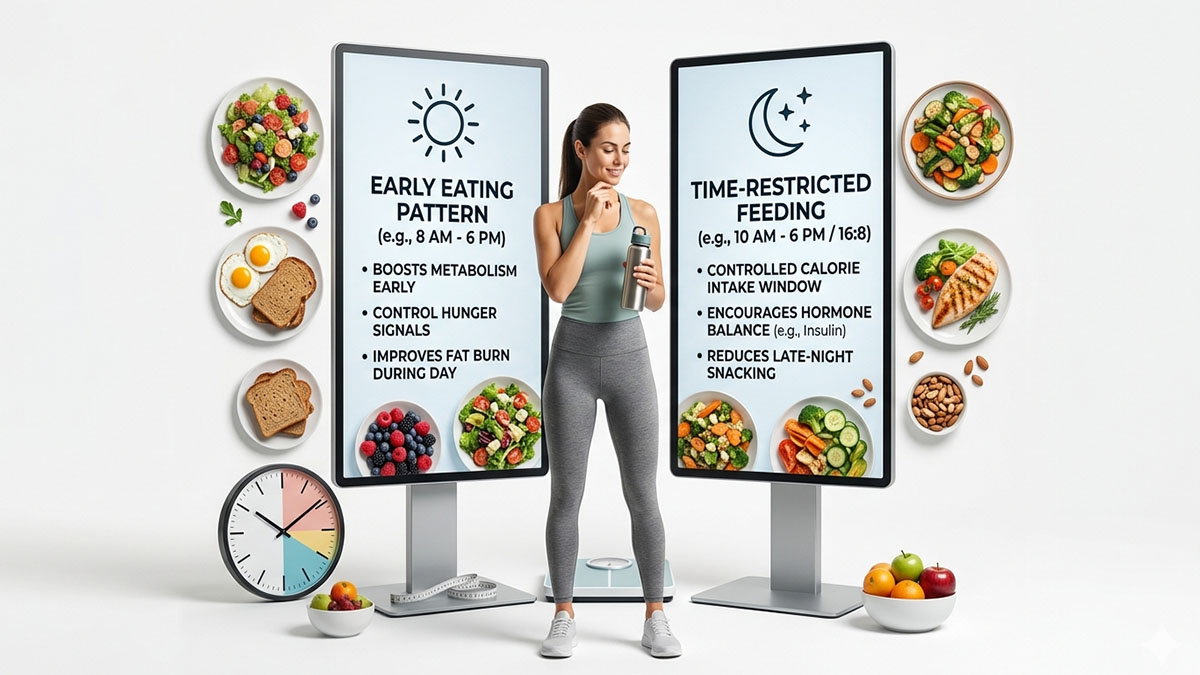
In the world of fitness and nutrition, we spend a massive amount of time talking about what we should eat. We debate the benefits of protein, the role of healthy fats, and the impact of carbohydrates. While the quality of your food is undeniably important, there is another piece of the puzzle that often gets ignored: the timing. Emerging science suggests that our bodies are not just chemical processing plants; they are biological clocks. Every cell in your body follows a rhythm, and aligning your meals with this internal clock can make a significant difference in your health journey. If you have been struggling to see results despite eating “clean,” it might be time to investigate the best time to eat for weight loss. By understanding how your metabolism shifts from morning to night, you can stop fighting against your biology and start working with it to achieve your goals more easily.
To understand the best time to eat for weight loss, we have to look at our circadian rhythms. These are the natural internal processes that regulate our sleep-wake cycle and repeat roughly every 24 hours. Your metabolism is most efficient during the daylight hours when your body is naturally primed for activity and digestion. In the morning, your insulin sensitivity is typically at its highest. This means your body is much more effective at taking the energy from your food and moving it into your muscles and organs rather than storing it as fat. As the sun goes down and your body prepares for sleep, your digestion slows down, and your insulin sensitivity decreases. Eating a large, heavy meal late at night is often a recipe for weight gain because your body is no longer in “processing mode” but in “storage and repair mode.”
Many experts suggest that “front-loading” your calories is a key strategy when looking for the best time to eat for weight loss. This means eating a substantial breakfast and a hearty lunch, followed by a lighter dinner. There is an old saying: “Eat breakfast like a king, lunch like a prince, and dinner like a pauper.” Modern research is proving this ancient wisdom correct. When you provide your body with fuel early in the day, you are giving it the energy it needs for your daily tasks. This prevents the ravenous hunger that often leads to overeating in the evening. People who eat a high-protein breakfast often find that they have fewer cravings for sugary snacks in the afternoon, making it much easier to stay within their calorie goals without feeling deprived.
Another important concept in the discussion of the best time to eat for weight loss is the “eating window.” This is often referred to as time-restricted feeding or intermittent fasting. Instead of grazing from the moment you wake up until the moment you go to bed, you limit your eating to a specific block of time usually 8 to 10 hours. For example, you might eat your first meal at 10:00 AM and your last meal at 6:00 PM. This gives your digestive system a long break of 14 to 16 hours. During this fasting period, your insulin levels drop low enough that your body can start burning stored body fat for fuel. This window doesn’t just help with weight; it also improves your gut health and gives your cells time to perform a “deep clean” called autophagy.
Consistency is a vital part of finding the best time to eat for weight loss. Your body thrives on routine. If you eat at the same time every day, your hunger hormones ghrelin and leptin stay in balance. Your body “learns” when to expect food and starts preparing digestive enzymes in advance. When your eating schedule is chaotic, your body stays in a state of stress, which can lead to higher levels of cortisol. High cortisol is closely linked to the accumulation of belly fat. By setting a regular schedule for your meals, you are calming your nervous system and telling your body that it is safe to release stored energy. A stable routine is one of the simplest yet most effective ways to support a healthy metabolism.
The relationship between sleep and the best time to eat for weight loss cannot be overstated. Eating too close to bedtime can significantly disrupt the quality of your sleep. When your body is busy trying to digest a heavy meal, it cannot fully enter the deep, restorative stages of sleep where fat-burning hormones like growth hormone are released. Ideally, you should aim to finish your last meal at least two to three hours before you lie down. This allows your blood sugar to stabilize and your body temperature to drop, which are both signals that it is time for rest. Good sleep is the foundation of weight loss; without it, your hunger hormones will be skewed the next day, making you crave high-calorie, sugary foods that sabotage your progress.
Exercise also dictates the best time to eat for weight loss. If you are doing a high-intensity workout, your body needs carbohydrates to fuel that effort. Eating a small, balanced snack about an hour before your workout can help you perform better and burn more calories overall. After your workout, your muscles are like sponges, ready to soak up nutrients to repair themselves. This “post-workout window” is an excellent time to consume a meal with protein and complex carbs. By timing your largest meals around your most active periods, you ensure that the calories you consume are being used for recovery and muscle maintenance rather than being sent to fat storage. It is all about matching your energy intake to your energy output.
It is also worth considering the social and emotional aspects of the best time to eat for weight loss. In our culture, dinner is often the biggest social event of the day. If you try to follow a very strict early-eating schedule that prevents you from enjoying time with your family or friends, you might find it hard to stick to in the long run. The best schedule is the one you can maintain. If you know you have a social dinner at 8:00 PM, try to keep your breakfast and lunch lighter and more focused on protein and fiber. You can still work with your biology by making sure that your late meal isn’t a “sugar bomb.” Choosing lean protein and vegetables for late-night meals is a great way to stay social while still respecting your body’s nightly slowdown.
Hydration is a silent partner in the quest for the best time to eat for weight loss. Sometimes, our brains confuse thirst with hunger. Drinking a large glass of water 30 minutes before your scheduled mealtime can help you feel more satisfied and prevent overeating. Additionally, drinking water throughout the day helps keep your metabolism moving. Many people find that drinking a warm cup of herbal tea in the evening helps satisfy the “hand-to-mouth” habit of snacking without adding any calories or disrupting their sleep. Staying hydrated ensures that your kidneys and liver can efficiently process the waste products of fat-burning, making your weight loss journey much smoother.
In conclusion, weight loss is about more than just a math equation of calories in versus calories out. It is a dance with your body’s natural rhythms. While you don’t need to be perfect, being mindful of the best time to eat for weight loss can give you a significant advantage. Start by trying to eat a bit more in the morning and a bit less at night. Try to close your kitchen a few hours before bed. Most importantly, listen to your body. Pay attention to when you feel truly hungry versus when you are just bored or tired. When you align your eating habits with the natural cycle of the sun and your own internal clock, you will find that your body responds with more energy, better sleep, and a much easier path to your goal weight.