The Short List: Five Pill-Form Vitamins Worth a Spot in 2026—and Three That Rarely Earn It

The supplement aisle is very good at making everything feel essential. Hair, skin, nails, energy, immunity, sleep, focus—there is a pill for every wish. But a daily routine should not be a shopping spree. For a typical US adult in 2026, the question is not 'what could I take?' It is 'what is actually worth taking, and what is just clutter in a capsule?'
This is an opinionated short list, not a prescription. The five below have clear use cases for many people. The three below that usually do not. Your own needs can be different, especially if you are pregnant, have a diagnosed deficiency, take medication, or have a medical condition. That is a conversation for your clinician.
Five That Usually Earn Their Place
1. Vitamin D3
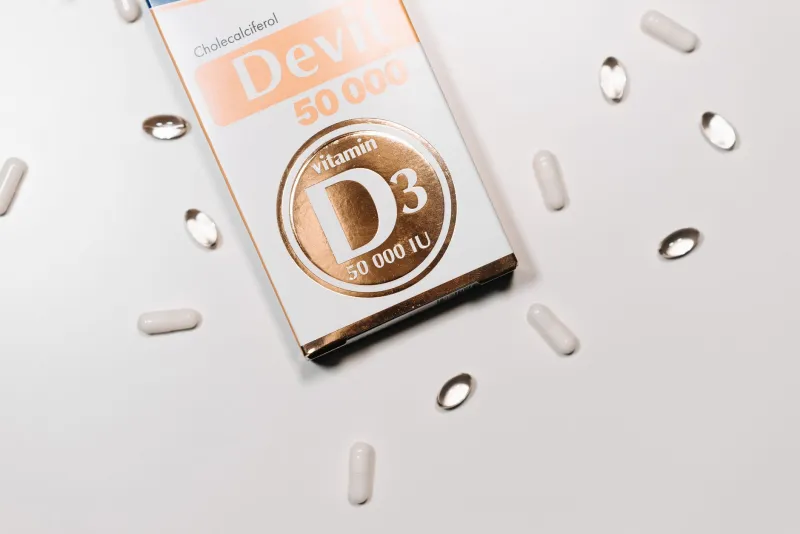
Vitamin D is one of the few supplements with a genuinely strong case for widespread use. Many Americans do not get much sun, especially in northern states and during winter, and low vitamin D is common. D3 is the form most often used in supplements, and it is inexpensive. The right dose depends on your blood level, age, and lifestyle; a common daily dose is in the 1,000 to 2,000 IU range, but higher doses should not be a guess. If you have had low vitamin D on a lab test, your doctor may recommend something different.
This is not a magic immunity pill. It is a practical nutrient insurance policy for people who are likely to be low.
2. Vitamin B12
B12 is boring in the best way: cheap, well understood, and useful for specific groups. Adults over 50, people who follow vegan or vegetarian diets, and people who take certain medications like metformin or long-term acid reducers may be at higher risk of low B12. Symptoms can be subtle—fatigue, tingling, brain fog—and deficiency can cause real neurological problems over time.
Cyanocobalamin is the standard form and works well for most people. Methylcobalamin is popular, but it is not automatically superior. A basic B12 pill is one of the better bargains in the aisle.
3. Magnesium
The case for magnesium is more nuanced than the internet suggests, but it still earns a spot. Many people do not get enough magnesium from food, and some forms are useful for constipation or general supplementation. The form matters: magnesium glycinate is often chosen for tolerability, magnesium citrate can help with constipation, and magnesium oxide is cheap but not the best absorbed.
Do not expect a miracle sleep aid. The evidence for magnesium and sleep is modest. But as a basic mineral with a reasonable safety profile, it is a sensible option for some adults—especially those who do not eat many nuts, seeds, beans, or leafy greens.
4. Iron—but Only With a Reason
Iron belongs on this list with a giant asterisk. It is not a daily vitamin for everyone. Too much iron can be harmful, and many adults—especially men and postmenopausal women—do not need a supplement unless a lab test shows deficiency. But for people with iron-deficiency anemia, heavy periods, pregnancy, or certain dietary patterns, iron can be genuinely important.
If you are tired, do not assume iron is the answer and start a high-dose pill. Get tested. When iron is appropriate, the form and dose matter, and your clinician should guide you.
5. Folate or Folic Acid for Pregnancy Planning
This one is targeted rather than universal, but the evidence is hard to ignore. Folic acid helps prevent neural tube defects when taken before and during early pregnancy. The CDC and other public health groups recommend 400 mcg of folic acid daily for people who could become pregnant, in addition to food folate.
A standalone folic acid pill is cheap and simple. If you are already taking a prenatal vitamin, check the label so you do not double up unnecessarily.
Three That Usually Do Not
1. Biotin for Hair, Skin, and Nails
Biotin is everywhere, often in huge doses, and the marketing is relentless. The problem is that the evidence for biotin improving hair, skin, and nails in people who are not deficient is weak. Most people get enough biotin from food, and deficiency is rare.
There is also a practical issue: high-dose biotin can interfere with certain lab tests, including thyroid and heart-related tests. That is a real reason to skip it unless your doctor specifically recommends it.
2. High-Dose Vitamin C
Vitamin C is important, but more is not better. The common-cold evidence is modest at best, and megadoses are more likely to give you digestive trouble than superpowers. If you eat fruits and vegetables regularly, a standalone high-dose vitamin C pill is usually redundant.
A basic multivitamin may already include vitamin C. Adding a 1,000 mg capsule on top is how you end up with expensive urine and a rumbling stomach.
3. Standalone Vitamin E
Vitamin E has a long reputation as a health supplement, but the evidence for benefit in generally healthy adults is thin. Large doses may increase bleeding risk and can interact with medications. For most people, a standalone vitamin E capsule is a solution in search of a problem.
If you are taking a multivitamin, check the label—you are probably already getting some. And if you are considering vitamin E for a specific health reason, talk to your clinician first.
The Bigger Point
Most supplement routines get messy because people stack products without checking what is already in them. A multivitamin plus a B-complex plus a separate B12 plus a vitamin C pill can easily duplicate ingredients. None of that is dangerous in every case, but it is not smart shopping, either.
A better 2026 routine is smaller and more intentional: cover the basics, test when it makes sense, and skip the pills that are mostly marketing. The supplement aisle rewards confidence, but your routine should reward evidence.
This article is not medical advice. If you take prescription medication, are pregnant, or have a health condition, check with your doctor or pharmacist before adding a new supplement.